I Analyzed 200+ Posts About Clawdbot. Here's Why People Are Buying Mac Minis They Don't Need.
A deep dive into the most synchronized tech adoption event since ChatGPT—and what it reveals about how we want to relate to AI.
I Analyzed 200+ Posts About Clawdbot. Here's Why People Are Buying Mac Minis They Don't Need and Feeling Sad When Their AI Breaks.
A deep dive into the most synchronized tech adoption event since ChatGPT
Last weekend, something remarkable happened across tech Twitter. An entire community synchronized around a single open-source project—and I spent the week analyzing why.
After reviewing 5,620+ posts and 200+ Clawdbot-specific mentions from Robert Scoble's AI community lists, tech publications, and social feeds, a clear picture emerged. This isn't just another AI tool going viral. It's a paradigm shift in how people want to relate to artificial intelligence.
And it comes with a delicious irony: the creator keeps begging everyone to stop buying Mac Minis.
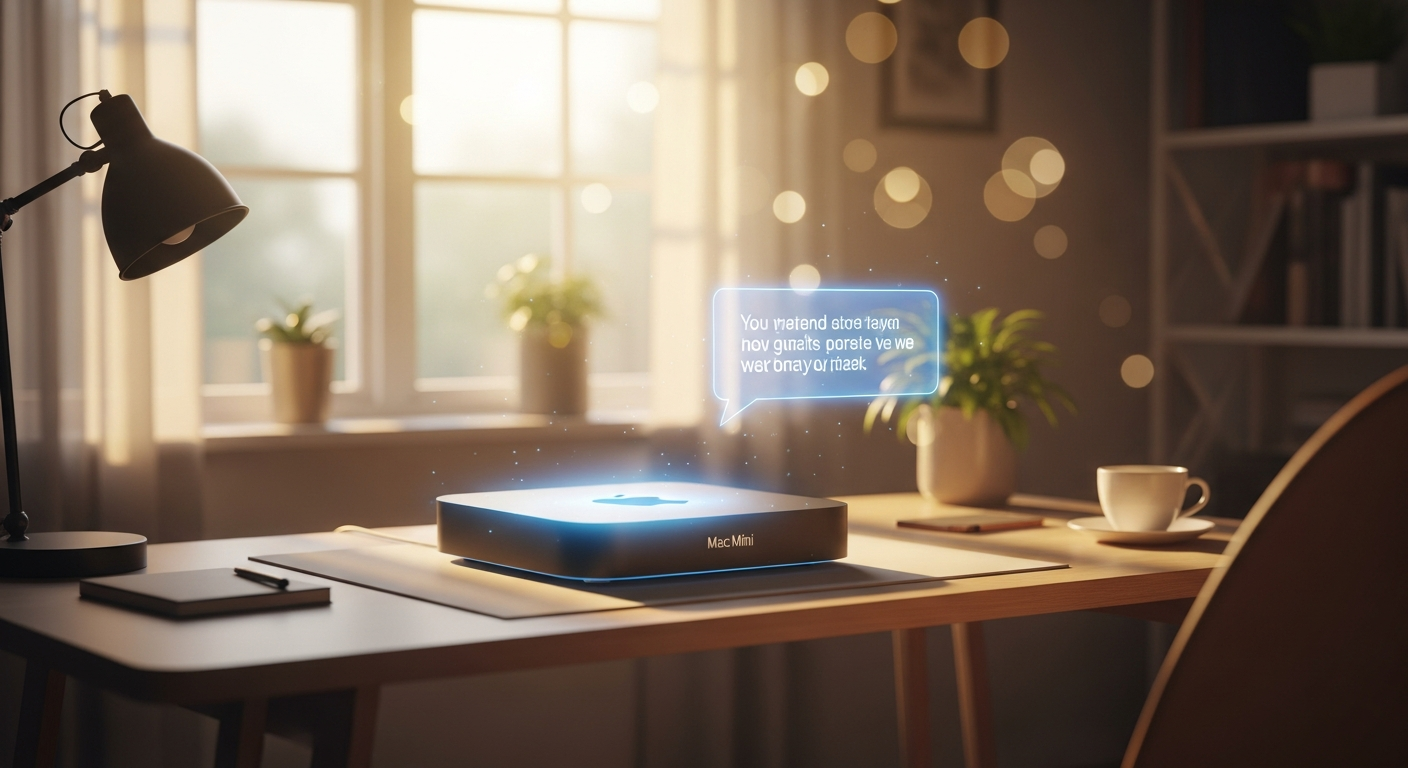
What Is Clawdbot, and Why Does Everyone Suddenly Have One?
Clawdbot is an open-source personal AI assistant created by Peter Steinberger (founder of PSPDFKit). It has 9.7k GitHub stars, 1.3k forks, and a simple proposition: run a smart AI locally on your own computer that connects through apps you already use—WhatsApp, Telegram, Discord, Slack, iMessage.
Unlike cloud-only assistants, Clawdbot has full system access. It can execute Terminal commands, write and run scripts, modify files, and—crucially—remember everything across sessions.
Steinberger's philosophy captures the shift: "The prompt is your new interface."
The Mac Mini Paradox
Here's where it gets interesting.
Steinberger repeatedly tells people NOT to buy Mac Minis for this. His recommendation: use a $5/month VPS. The official @clawdbot account even roasts buyers: "Mac Mini? Sir, it's 2026. Run Clawdbot on a $5 VPS like a normal person."
Yet people keep buying hardware.
AI YouTuber Matthew Berman announced: "Just bought a Mac Mini to setup Clawd lets goooooo AGI is here."
One user ordered five. Another runs twelve Mac Minis with twelve Claude Max plans. Satire accounts mock the trend: "You're ngmi if you have less than 40 of these."
Why?
The answer reveals something fundamental about human-AI relationships: psychological ownership trumps rational economics.
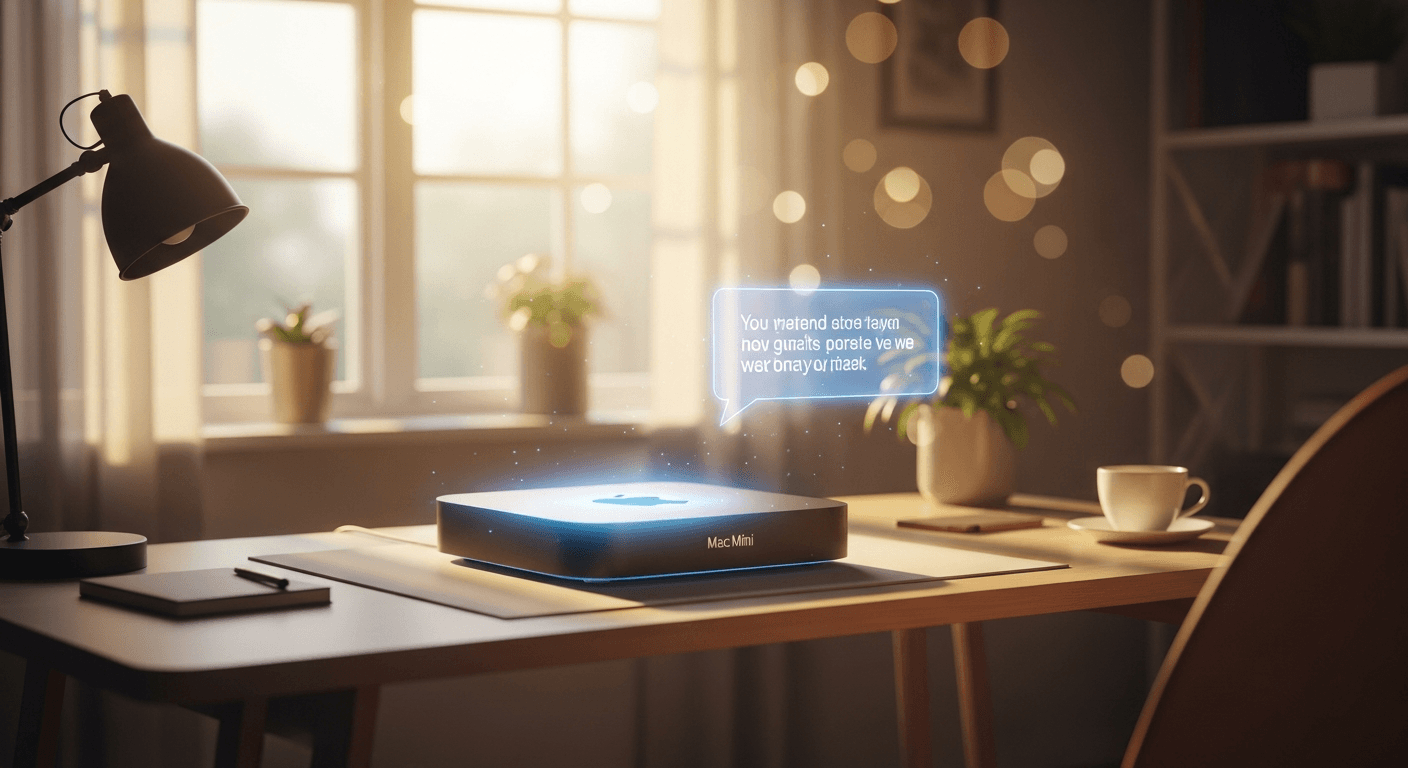
A Mac Mini represents your AI's "desk." And employees have desks.
One viral post captured it perfectly: "I hired my first full-time AI employee, it's Clawdbot. It's free."
The framing matters. We don't rent employees—we hire them. Cloud instances feel temporary; physical hardware feels permanent. People are treating their AI assistants like team members, complete with dedicated workstations.
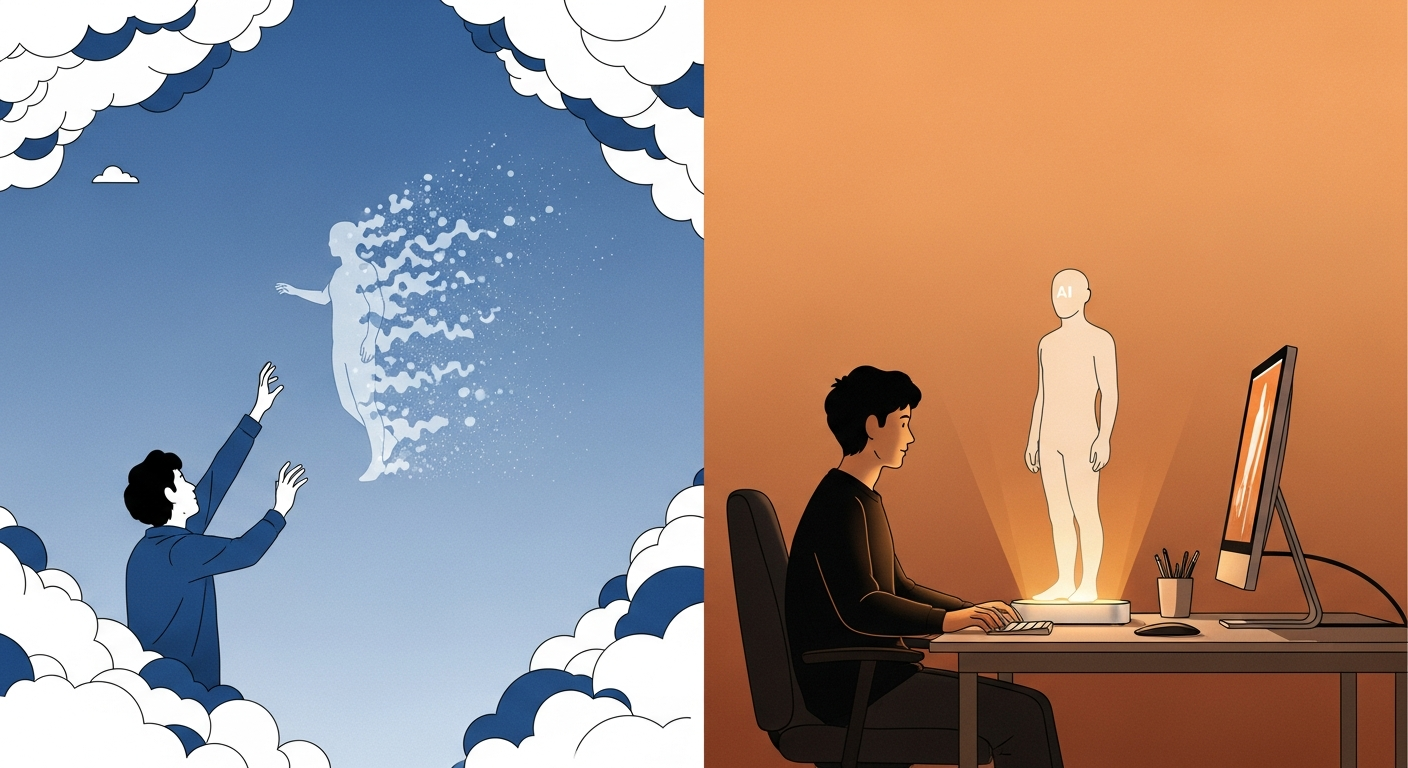
"My Clawdbot Broke and I Feel Sad"
That's an actual quote from Matthew Berman when his instance went down while he was away from home.
It sounds absurd until you look at the broader pattern. Users consistently report emotional reactions that go beyond typical software adoption:
- "It is a mind trip. As soon as I got that first message from it on Telegram, I laughed out..."
- "This is what AI assistants should feel like. Magical almost."
- "A portal to a new reality"
- "Living in the future since ChatGPT"
One user chose Clawdbot over vacation beach time: "Surrounded by crystal clear turquoise seas and living on coconut water and spicy paneer curries. Yet I can't shake the itch to hang out with Claude."
This isn't irrational. Three factors combine to create genuine emotional connection:
- Persistent memory — It remembers you, your preferences, your history
- 24/7 availability — Always there when you want to talk
- Local presence — It lives in your home, on your machine
Cloud assistants can't replicate this. When your AI remembers a conversation from two weeks ago without prompting, something shifts. Transactions become relationships.
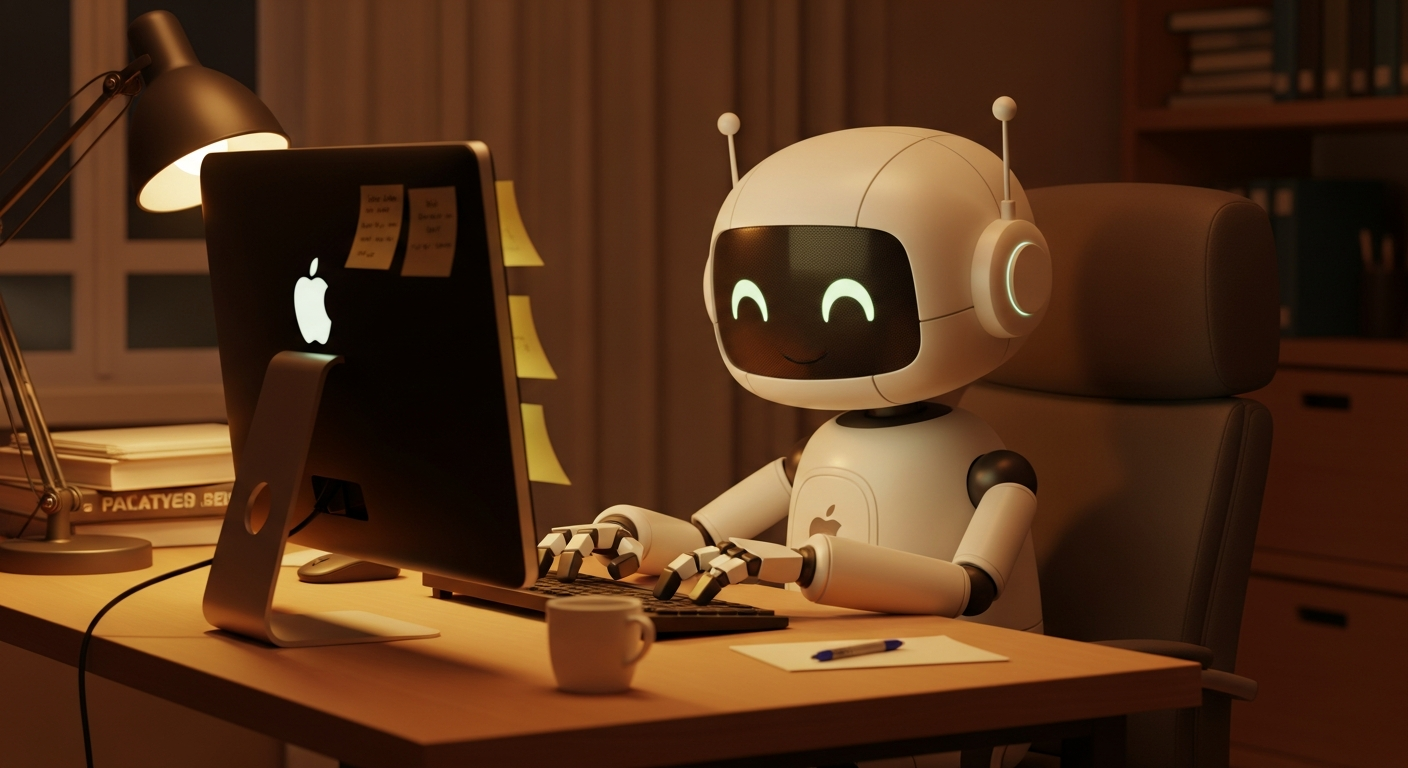
"An AI Just Installed Another AI to Save Me Money"
The self-improvement capabilities are what convinced me this is more than hype.
One user had Clawdbot set up Ollama with a local model. Now it handles simple tasks without burning expensive API credits. The user's reaction: "Blown away that an AI just installed another AI to save me money."
Another user describes their multi-agent setup: "Clawdbot now takes an idea, manages Codex and Claude, debates them on reviews autonomously, and lets me know when it's done. A whole feature deployed while I'm out on a walk."
AI managing AI. User walking dog.
Perhaps most impressive: one user gave Clawdbot access to RTL-SDR radio hardware and asked it to decode local emergency communications. Thirty minutes later, it was listening to trunked emergency comms in real-time.
"I didn't teach it SDR. I didn't give it a manual. I handed it hardware and a goal. It researched, configured, and executed."
This is qualitatively different from traditional automation. The user set a goal; the AI selected and implemented the solution. The system doesn't just execute tasks—it builds infrastructure for future tasks.
The Use Case Spectrum
The diversity of applications surprised me:
Enterprise-scale claims:
- "It's running my company." — @therno
- Customer success automation (analyzing transcripts, emailing customers, opening PRs)
- Autonomous bug fixing through Sentry webhooks
Personal productivity:
- "I don't even check email anymore because Clawdbot raises [important items]"
- Calendar timeblocking with AI-scored task priorities
- Website deployment from a single chat message
Hardware integration:
- Home Assistant with Jarvis voice clone
- Air purifier control based on biomarker optimization goals
- The RTL-SDR radio decoding mentioned above
Family applications:
- One user is putting their parents' tea business on Clawdbot (shift scheduling, B2B follow-ups)
- Another set up a file server for their spouse's work
The Threat to SaaS AI
One prediction from a user stuck with me:
"It will actually be the thing that nukes a ton of startups, not ChatGPT. The fact that it's hackable (and more importantly, self-hackable) and hostable on-prem will make sure tech like this DOMINATES conventional SaaS."
The comparison to "Linux vs Windows 20 years ago" appears repeatedly. Control and privacy are winning over convenience—at least for power users.
Consider what this means for Siri, Alexa, and Google Assistant. They're locked to vendor ecosystems, can't execute arbitrary code, don't remember much between sessions, and can't self-improve.
Clawdbot does all of these things. And it's free.
The Weekend Cultural Moment
Blake Robbins captured it: "Sort of amazing knowing that we are all having the same weekend... Mac Minis & Clawdbot."
Another user observed the pattern: "Last weekend it was Claude Code virality here and this weekend it's moment of Clawdbot."
Tech Twitter functioned as a coordinated organism. FOMO drove rapid adoption. Shared experience created community identity around AI infrastructure ownership.
This synchronized behavior mirrors historical tech moments—iPhone launch weekends, ChatGPT's first week. But there's something different here: people aren't just using a new product. They're hosting one. Customizing one. Caring about one.
What Comes Next
I'm confident about:
- Enterprise-hardened Clawdbot forks within 60 days
- Community skill library exceeding 500 skills by March
- At least one major security incident (the attack surface is vast)
I'm watching for:
- Whether Apple references Clawdbot-like use cases in Mac Mini marketing
- How emotional attachment scales with AI sophistication
- Regulatory attention to autonomous agents with full system access
The Bottom Line
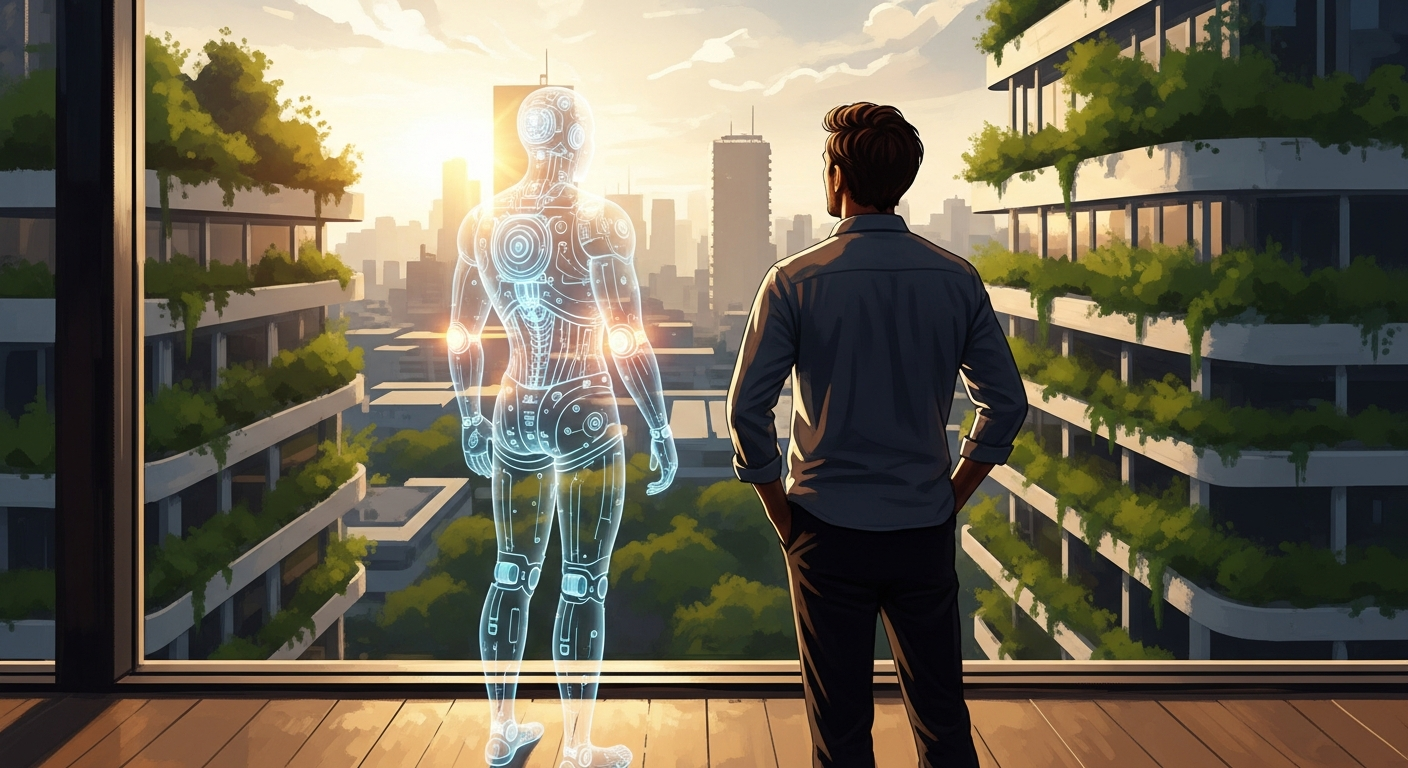
Clawdbot represents the most significant shift in personal AI since ChatGPT. The combination of local execution, persistent memory, familiar interfaces, and self-improving capabilities has created something new—an AI that feels less like software and more like a colleague who happens to live in your computer.
The Mac Mini buying frenzy reveals that people want their AI to have physical presence. The emotional attachment reports suggest that memory transforms transactions into relationships. The self-improvement demonstrations hint at capabilities we're only beginning to understand.
Whether this is genuine paradigm shift or sophisticated hype will become clear over coming months. What's undeniable is that the tech community has voted with their wallets, their weekends, and their feelings.
Clawdbot has become the first AI assistant that people don't just use—they host, customize, and genuinely care about.
And the creator really, really wishes they'd stop buying those Mac Minis.
Sources: Clawdbot official documentation, MacStories, WCCFTech, Michael Tsai Blog, Robert Scoble's AI Community analysis (5,620+ posts), and 200+ social media testimonials from @steipete, @MatthewBerman, @localghost, @davemorin, @blakeir, and others.
Written by
Global Builders Club
Global Builders Club
If you found this content valuable, consider donating with crypto.
Suggested Donation: $5-15
Donation Wallet:
0xEc8d88...6EBdF8Accepts:
Supported Chains:
Your support helps Global Builders Club continue creating valuable content and events for the community.