Daniel Miessler: The Security Expert Building AI That Upgrades Humans
The creator of Fabric and PAI on why the model is commodity, scaffolding is the differentiator, and humanity's creative potential is barely activated.
Daniel Miessler: The Security Expert Building AI That Upgrades Humans
The creator of Fabric and PAI on why the model is commodity, scaffolding is the differentiator, and humanity's creative potential is barely activated.
Daniel Miessler has been writing about technology since 1999. Over 29 years and 3,028 essays later, he's become one of the most influential voices at the intersection of cybersecurity and artificial intelligence—and now he's building the infrastructure for what he calls "Human 3.0."
This profile draws from 6 sources including Miessler's personal website, GitHub repositories, and his Unsupervised Learning newsletter to understand the vision behind projects like Fabric (38.8k GitHub stars), Personal AI Infrastructure (PAI), and the TELOS framework.
From Army Linguist to Apple Security Chief
Miessler's path to AI infrastructure started in an unexpected place: the U.S. Army. From 1992 to 1998, he served as an infantryman and Spanish linguist, later moving into military intelligence. This background—pattern recognition, threat assessment, systemic thinking—shapes everything he builds today.
After the military, his security career accelerated through major tech companies:
- HP — Co-founded Fortify on Demand, scaling it to 350+ employees
- IOActive — Built their Advisory Services group
- Robinhood — Created their Vulnerability Management and Application Security programs
- Apple — Served as Head of Business Intelligence for Information Security
In 2022, he left corporate security to focus on what he sees as the larger problem: helping humans navigate the AI transition.
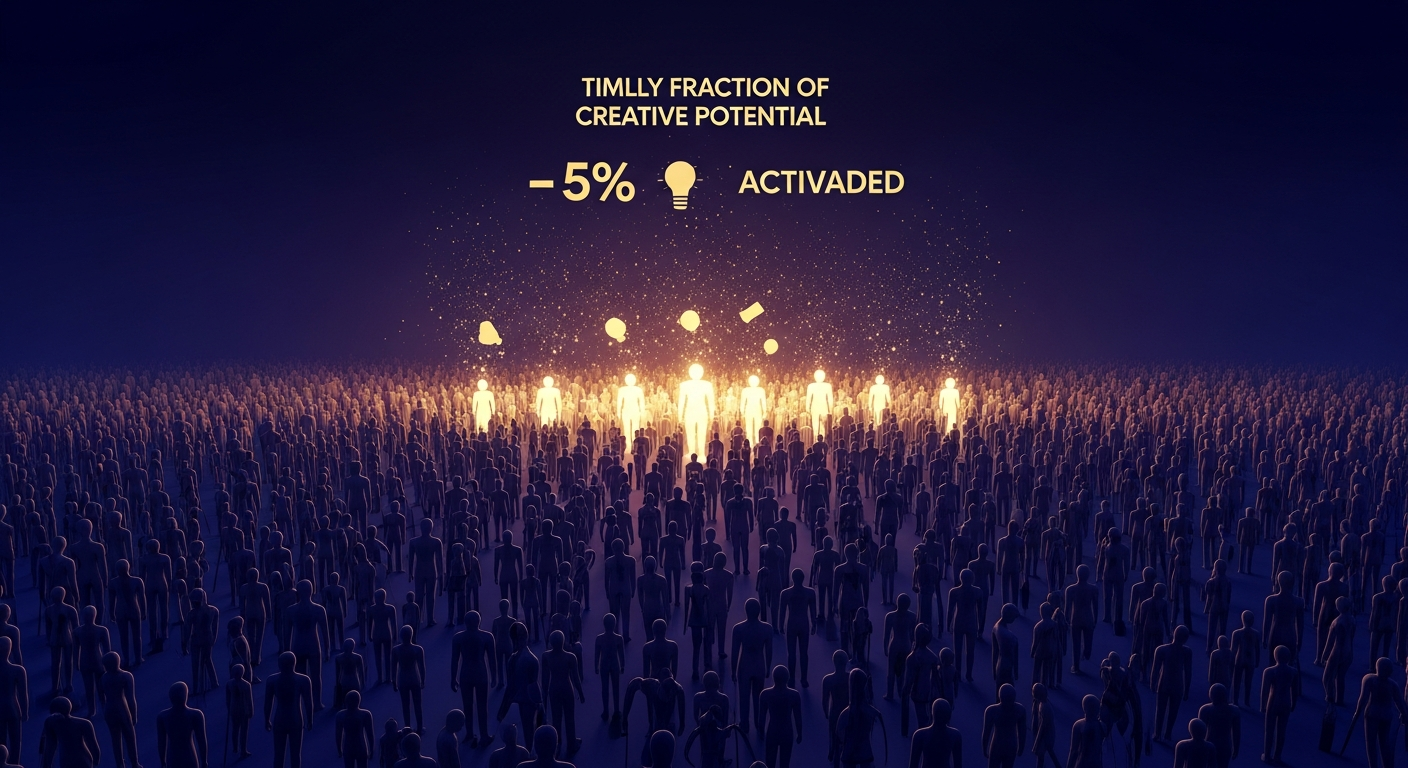
The Core Thesis: Human Potential is Barely Activated
Miessler frames his work around what he calls "the P0 problem"—the most critical issue facing humanity:
"Only a tiny fraction of humanity's creative potential is activated on Earth."
Most people derive identity from jobs. AI will disrupt millions of those jobs. This creates an existential crisis—but also an opportunity. As Miessler puts it: "Corporate life wasn't some pinnacle of human existence in the first place."
His response isn't to fight automation. It's to build infrastructure that helps people discover who they actually are, independent of their job titles.
The Project Ecosystem
Miessler's projects form an integrated system, each serving a specific function:
Fabric (38.8k GitHub Stars)
Fabric is an open-source framework for "augmenting humans using AI." It provides reusable "Patterns"—specialized prompts for specific tasks like summarizing videos, analyzing academic papers, or generating content.
Key features:
- Supports 20+ AI providers (OpenAI, Claude, Gemini, Ollama, Azure)
- CLI, REST API, and web interfaces
- Recent additions: speech-to-text, text-to-speech, Microsoft 365 integration
The philosophy: break complex problems into components, apply specialized patterns to each. Modularity over monolithic prompts.
PAI (Personal AI Infrastructure)
While Fabric handles tasks, PAI handles identity. It's an open-source platform for building persistent AI assistants that actually learn and improve.
The architecture includes:
- TELOS files — 10 structured documents capturing your mission, goals, beliefs, and challenges
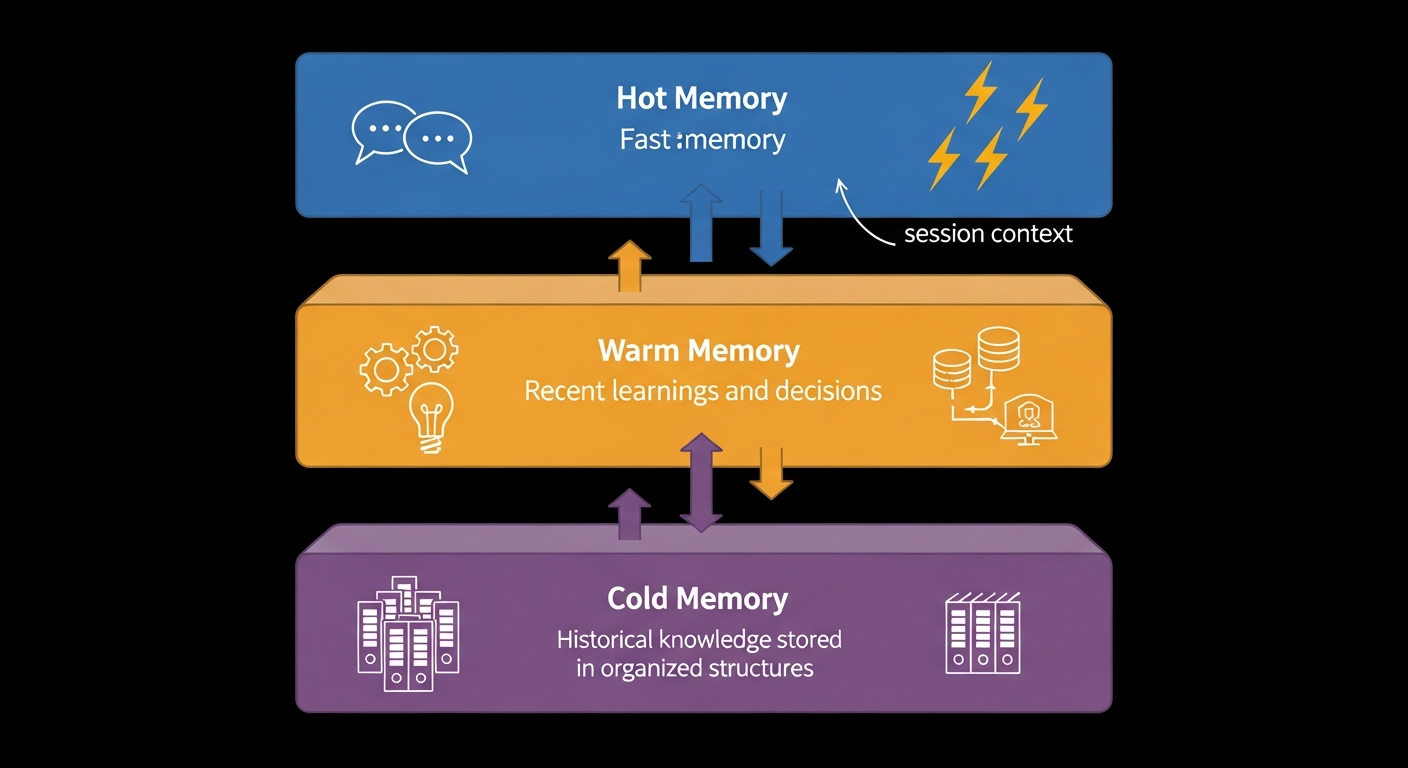
- Three-tier memory — Hot (session), warm (recent learnings), cold (archived history)
- Hook system — Lifecycle events triggering notifications, security validation, context loading
- Skill system — Modular capabilities prioritizing deterministic outcomes
PAI positions AI as "persistent assistant, friend, coach, and mentor" rather than stateless chatbot.
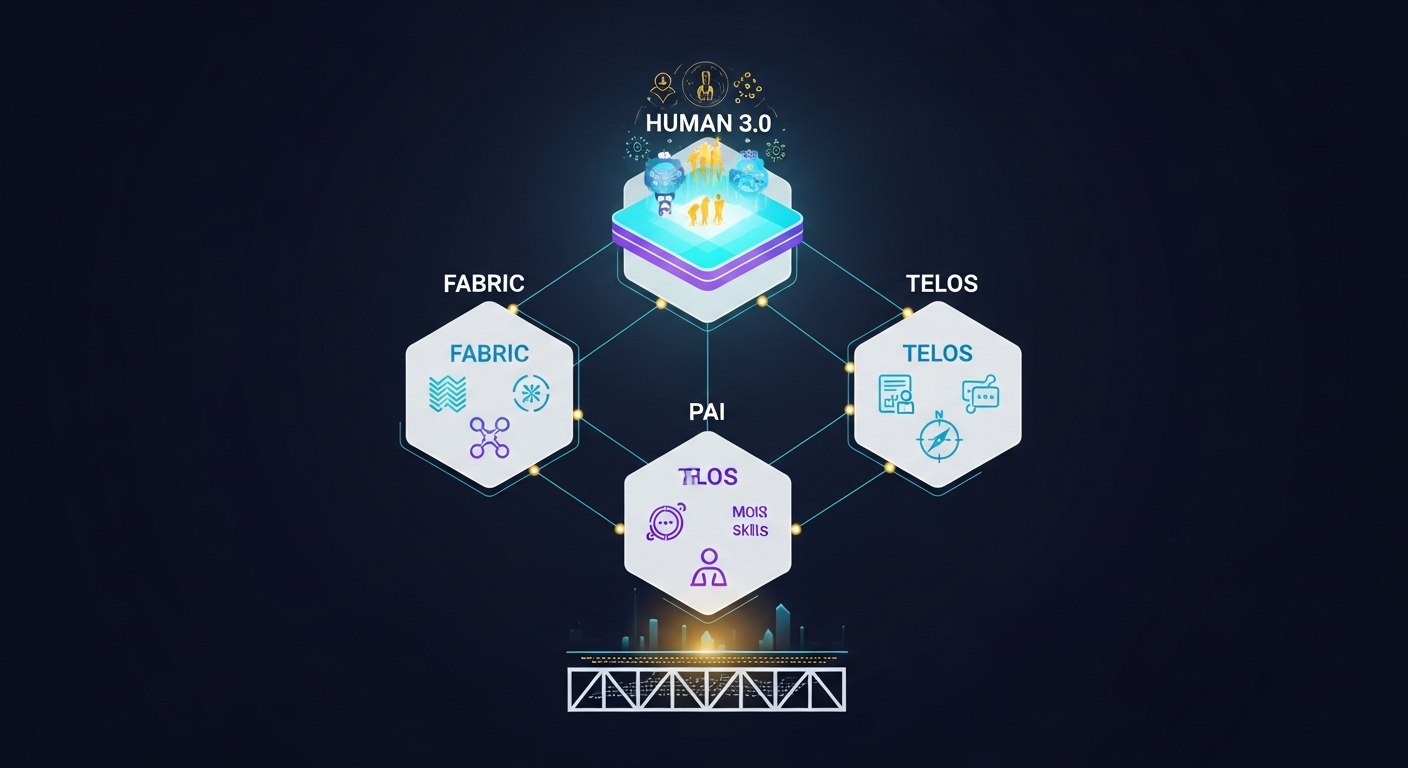
TELOS Framework
TELOS (from Greek, meaning "ultimate purpose") is Miessler's framework for articulating identity. Ten markdown files define who you are:
- MISSION.md
- GOALS.md
- PROJECTS.md
- BELIEFS.md
- MODELS.md
- STRATEGIES.md
- NARRATIVES.md
- LEARNED.md
- CHALLENGES.md
- IDEAS.md
When your AI knows your TELOS, it can provide contextually appropriate help—not generic responses.
Human 3.0
This is the destination, not a product. Human 3.0 is Miessler's vision for a world where:
- People define themselves by unique contributions, not job titles
- Basic needs are guaranteed
- Excellence is rewarded
- Creative work merges with meaningful play
He describes it as resembling "Star Trek's Federation—a meritocracy where people pursue self-improvement and creative contribution."
The Contrarian Insight: Scaffolding Beats Intelligence
Miessler's most counterintuitive claim challenges the AI industry's obsession with model capabilities:
"I've seen Haiku outperform Opus because the scaffolding was good."
A well-designed system with an average AI model consistently outperforms a brilliant model with poor architecture. The model is becoming commodity. Orchestration—context, memory, skills, workflows—is the new competitive advantage.
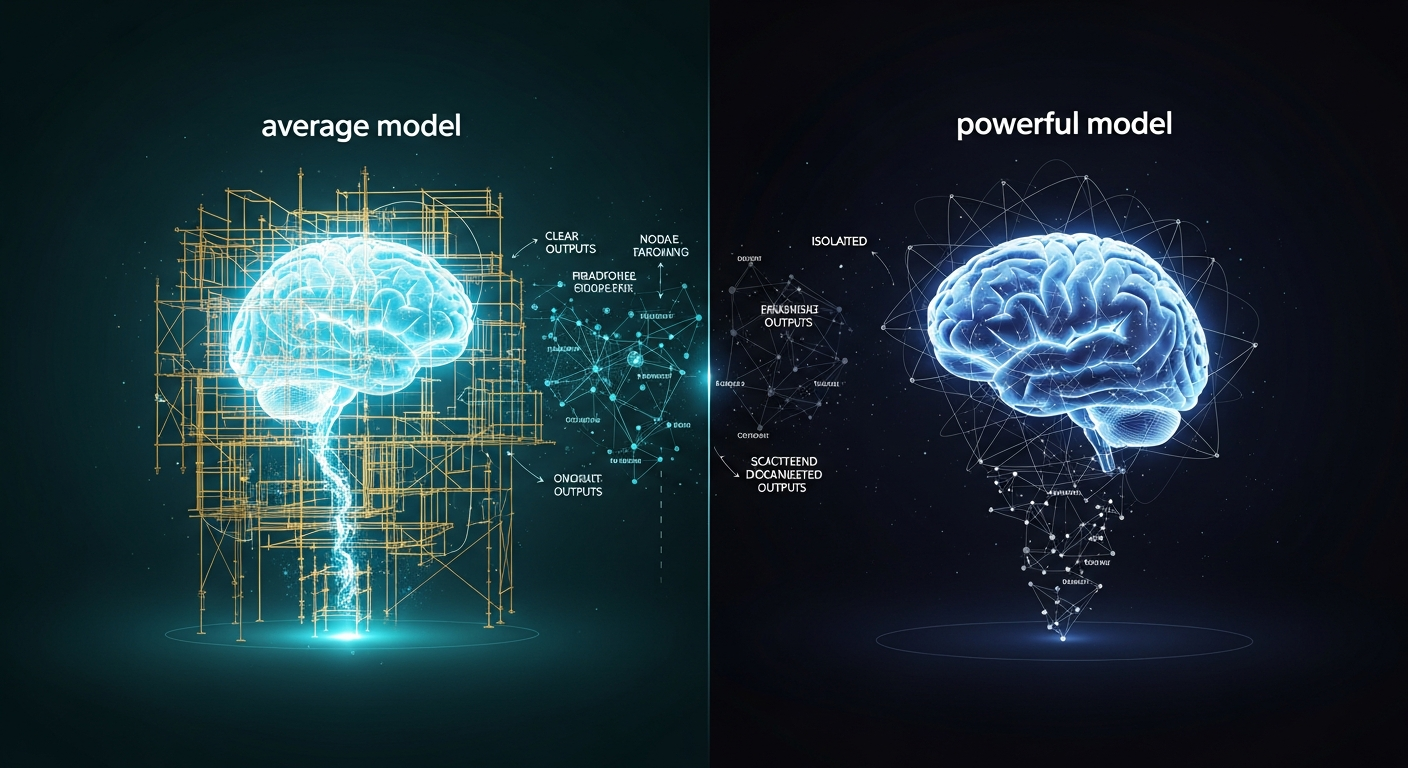
This insight drives PAI's 16 guiding principles, which emphasize:
- User centricity over technology worship
- Clear thinking before prompt writing
- System architecture over model selection
- Engineering best practices applied to AI
The Newsletter: 95,000+ Subscribers
Unsupervised Learning, Miessler's newsletter, reaches over 95,000 subscribers including leaders at OpenAI, NVIDIA, Apple, and Google. Published since the early 2000s, it covers:
- Cybersecurity trends and threats
- AI implications for society
- Philosophy (free will, meaning, consciousness)
- Technology predictions
Testimonials describe it as "the foremost updates on the intersection of AI and cybersecurity."
The Philosophy: Materialist and Mission-Driven
Miessler operates from a science-based, materialist worldview. He believes humans live in a "material and mechanistic universe" where behavior follows evolutionary biology. He frames morality as "concern about the experiences of conscious creatures."
This isn't nihilism—it's a foundation for action. If the universe doesn't provide meaning, we must create it. If AI disrupts identity, we must build infrastructure for new forms of identity.
His stated mission: "Helping humans upgrade themselves for a post-corporate world."
What This Means for Builders
Miessler's work offers practical implications:
For individuals:
- Stop chasing model releases; invest in your personal infrastructure
- Define your TELOS before asking AI for help
- Build skills that compound over sessions, not single prompts
For teams:
- Treat AI infrastructure as production-grade software
- Apply engineering best practices: specs, tests, version control, monitoring
- Prioritize deterministic workflows over probabilistic magic
For the industry:
- The model layer is commoditizing
- Differentiation comes from orchestration, memory, and personalization
- The next competitive moat is understanding users, not generating tokens
The Bigger Picture
Miessler represents a specific breed of AI thinker: technically credentialed (decades in security), philosophically serious (3,000+ essays on meaning and consciousness), and practically focused (shipping open-source tools with tens of thousands of stars).
His bet is that AI's biggest impact won't be replacing humans—it will be forcing us to confront questions we've avoided: Who are we without our jobs? What are we actually trying to accomplish? What does it mean to flourish?
The infrastructure he's building—Fabric, PAI, TELOS—isn't just productivity tooling. It's scaffolding for a different relationship with work, identity, and meaning.
Whether you adopt his tools or not, the questions he's asking will matter to everyone navigating the AI transition.
Sources: danielmiessler.com, PAI GitHub, Fabric GitHub, Unsupervised Learning Newsletter
Written by
Global Builders Club
Global Builders Club
If you found this content valuable, consider donating with crypto.
Suggested Donation: $5-15
Donation Wallet:
0xEc8d88...6EBdF8Accepts:
Supported Chains:
Your support helps Global Builders Club continue creating valuable content and events for the community.