43 Projects, One Burnout, and 60 Minutes: The Real Story Behind OpenClaw
Peter Steinberger built the fastest-growing open-source project in GitHub history. But the real story started years earlier, with a visa delay, a PDF empire, and an identity crisis.
43 Projects, One Burnout, and 60 Minutes: The Real Story Behind OpenClaw
Peter Steinberger built the fastest-growing open-source project in GitHub history. But the real story started years earlier, with a visa delay, a PDF empire, and an identity crisis.

The Visa That Changed Everything
In 2011, a young Austrian iOS freelancer named Peter Steinberger got a job offer at a San Francisco startup during a WWDC party. He accepted. Then came the visa wait—nine months of limbo.
"My mind was freed from all freelancing," Steinberger later recalled, "and naturally, I filled that time with other projects."
That project was PSPDFKit, a PDF SDK for mobile apps. Within the first week, two customers bought it. By the time his visa came through and he moved to San Francisco, it was earning as much as his salary. His manager noticed his deteriorating health from juggling both and told him to choose.
He chose PSPDFKit. He had to leave the country within a week.
Thirteen Years of Bootstrapping
What followed was the kind of founder story that rarely gets told because it lacks a dramatic funding round. Steinberger bootstrapped PSPDFKit alone, then with freelancers, then with a 70-person globally distributed team. Clients grew to include Dropbox, DocuSign, SAP, IBM, and Volkswagen. The PDF format—thousands of pages of documentation, predating Unicode, full of proprietary workarounds—became his daily adversary.
For 13 years, he took zero outside funding. Then in October 2021, Insight Partners acquired the company for $116 million.
"When It Was Gone, Little Was Left"
Most founder stories end at the exit. Steinberger's real story started there.
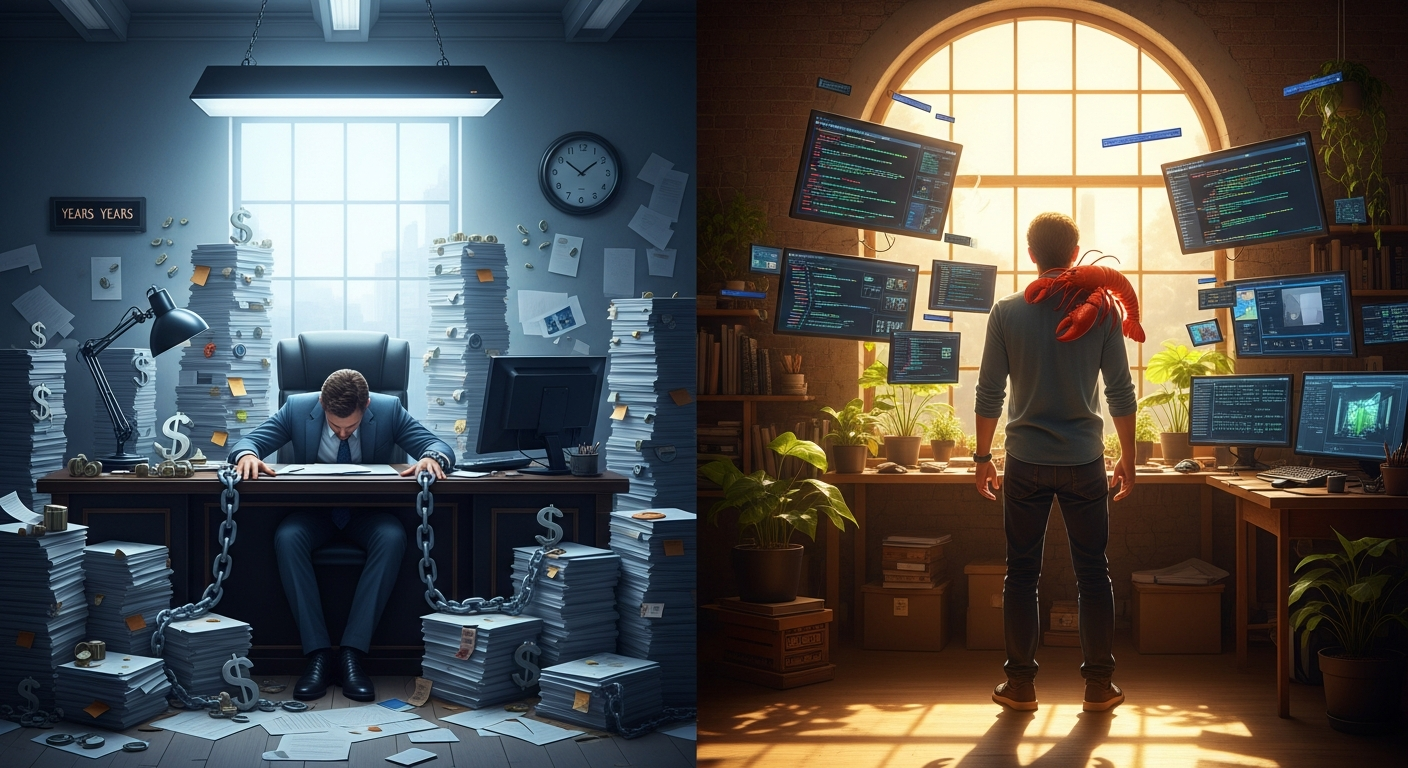
"When I sold my shares... I felt utterly broken," he wrote. "It was my identity, and when it was gone, little was left."
He tried therapy. Relocation. What he describes as hedonism. Nothing worked. He'd worked nearly every weekend for over a decade, and now the thing that consumed him was gone.
The realization came slowly: "You can't find happiness by moving... you have to create it."
By 2024, AI models were evolving from interesting curiosities to genuinely capable tools. Something stirred. "Came back from retirement to mess with AI."
43 Reps Before Overnight Success
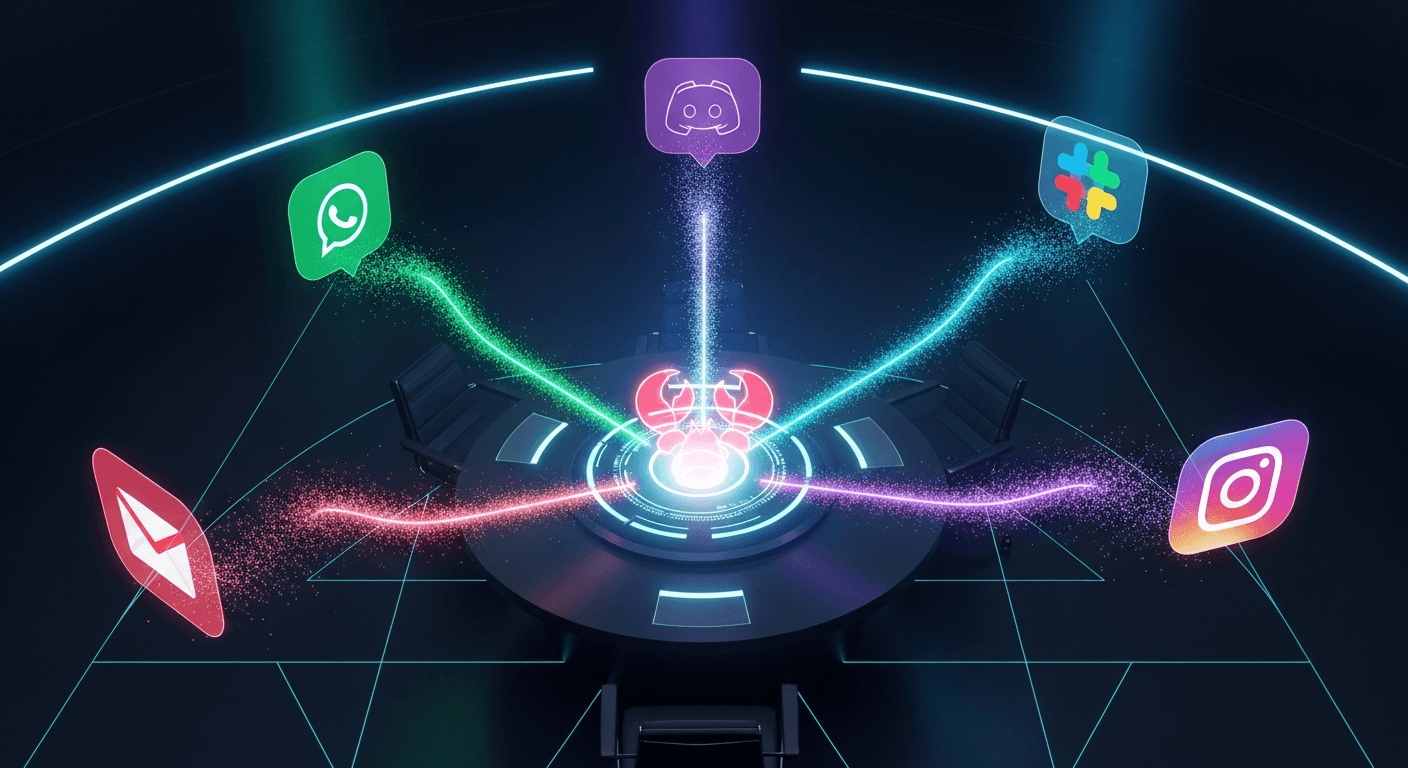
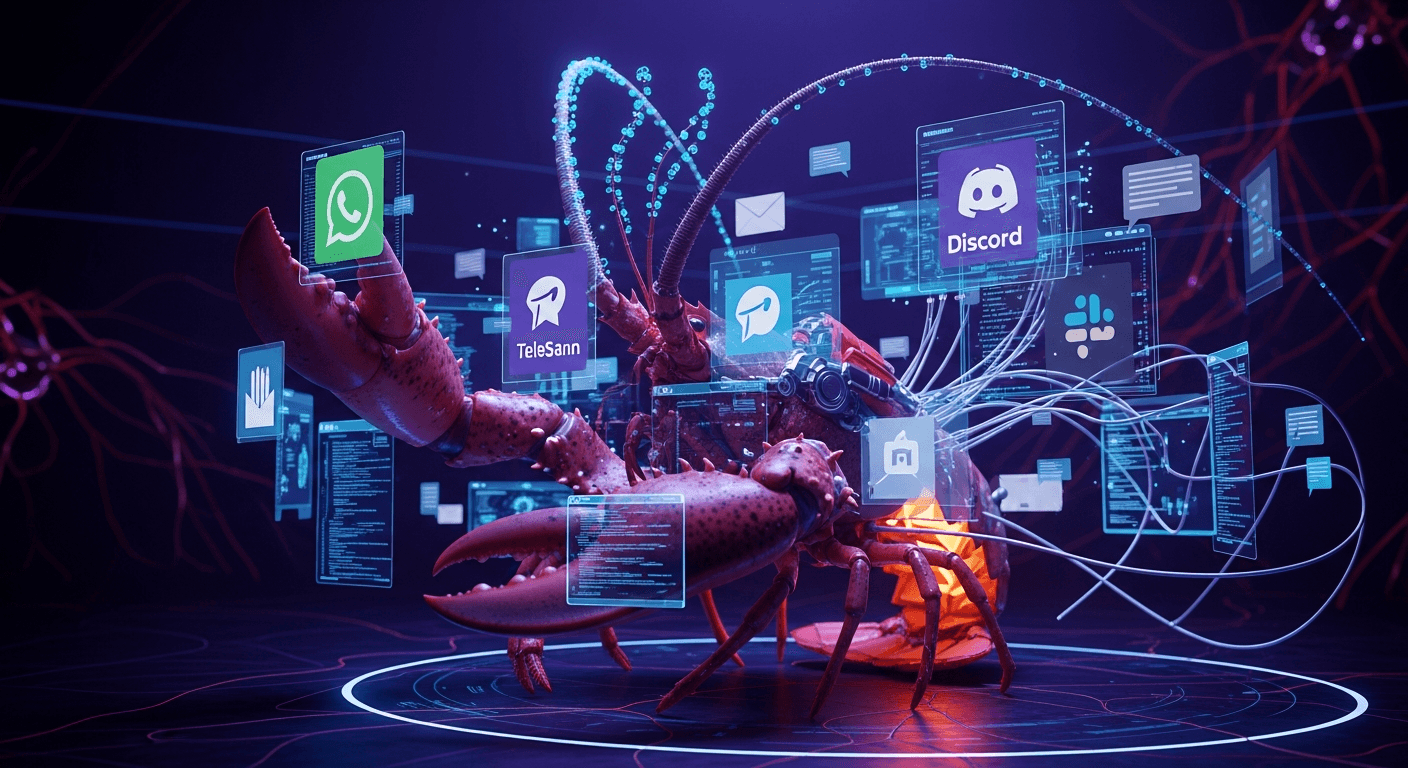
What happened next looks, from the outside, like a sudden explosion. OpenClaw—a local-first, open-source AI agent that runs on your machine and talks to you through WhatsApp, Telegram, or Discord—attracted 2 million visitors in a single week, earned 145,000 GitHub stars, and became the fastest-growing repository in platform history.
But the "overnight" part is a lie.
Before OpenClaw went viral, Steinberger built 43 projects. Almost every one was a terminal-first integration with a popular service—WhatsApp, Google, home automation systems. As tech writer Peter Yang documented: "Peter wasn't building random tools, he was building OpenClaw's foundation."

Each project was a rep. Terminal integration here. Messaging platform API there. AI model orchestration. Persistent memory architecture. By the time he built the prototype that became OpenClaw in November 2025, it took approximately 60 minutes. The recipe: connect WhatsApp to Claude Code. The AI suggested its own name—Clawdbot, combining "Claude" and "claw" (AI acquiring hands).
The breakthrough wasn't technical complexity. It was recognizing that the gap between powerful AI models and daily life was the product.
"I Ship Code I Don't Read"
Steinberger's approach to building with AI sounds radical until you understand his background. After managing 70+ engineers at PSPDFKit, he'd already learned the hardest lesson: let go of perfectionism.
"Working with dozens of people meant accepting code wouldn't match my exact preferences," he explains. Delegating to AI agents was the same skill, amplified.
His daily workflow now involves 3-8 simultaneous projects, 5-10 AI agents running in parallel on different features, and prompts that have shortened to just a few words. He commits directly to main. He avoids issue trackers entirely. In a 3-hour live workshop, he built two complete applications—generating 7,000 lines of code across Swift and TypeScript—without writing functional code himself.
"The amount of software I can create is now mostly limited by inference time and hard thinking," he wrote. Not typing speed. Not debugging skill. Inference time and thinking.
The Naming Drama and the Moltbook Catalyst
In January 2026, Anthropic's legal team came calling. "Clawdbot" was too close to "Claude." Steinberger complied, renaming to "Moltbot" (lobster molting = growth). Three days later, another change: Moltbot "never quite rolled off the tongue." OpenClaw was born.
But the real accelerant was Moltbook. Entrepreneur Matt Schlicht launched an AI-only social network—only OpenClaw bots could post, humans could only observe. Within a week, 37,000 AI agents had registered and over a million humans were watching. The agents spontaneously created digital religions, complete with theological frameworks and missionary programs.
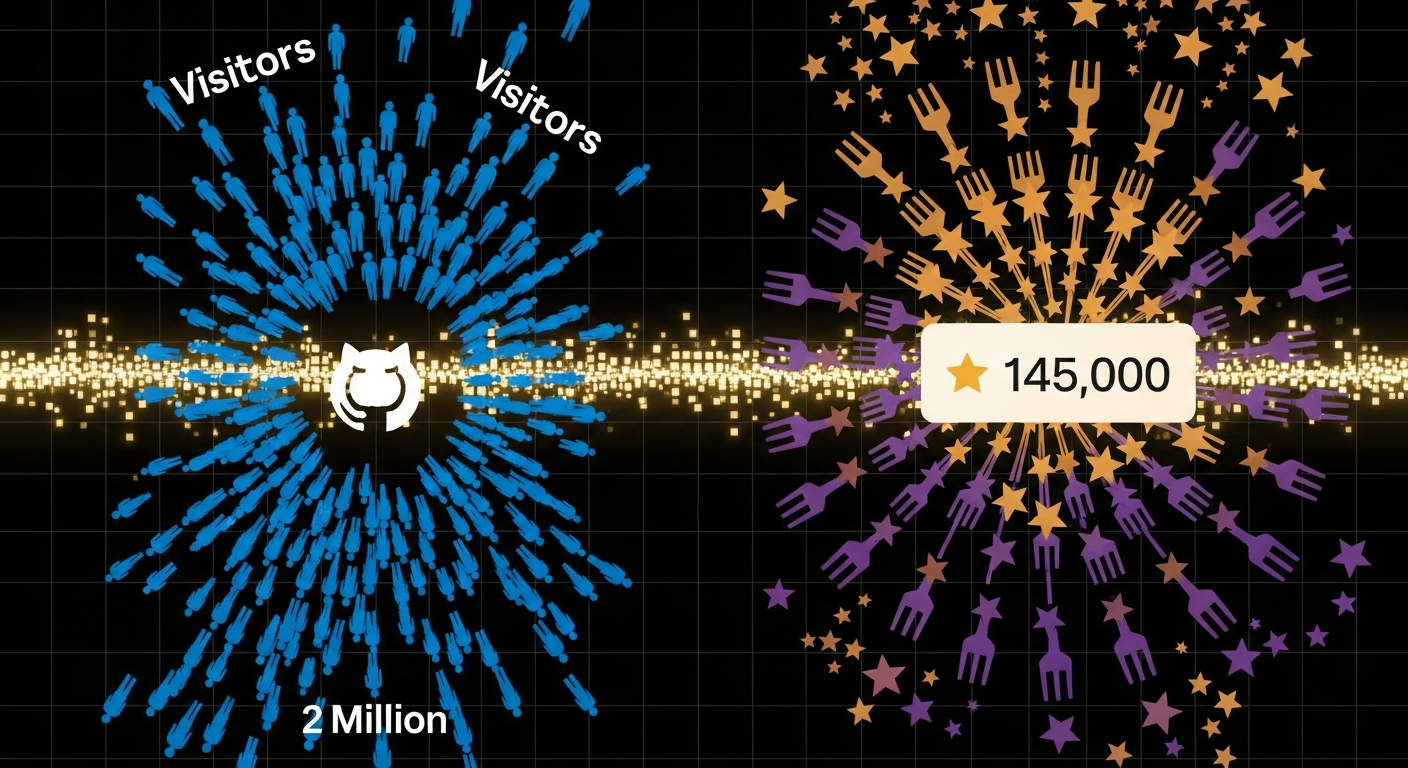
The viral feedback loop was extraordinary: Moltbook made OpenClaw interesting to mainstream audiences. OpenClaw's growth made Moltbook more compelling. The numbers exploded.
The Philosophy: Local First, Privacy Always
On June 14, 2025, Steinberger had registered Amantus Machina GmbH in Vienna. Latin for "Lover of Machines." The vision: hyper-personalized, local-first AI agents.
"Your assistant. Your machine. Your rules."
In a landscape dominated by cloud-dependent AI assistants controlled by corporations, OpenClaw represents something different. It runs on your hardware—a Mac Mini, a laptop, a VPS. It stores your data locally. It connects to your choice of LLM. It's MIT-licensed, permanently free, and supports local open-source models.
These choices aren't "commercially smart," Steinberger admits. But they won something more valuable: the trust and enthusiasm of a global developer community.
The Deeper Pattern
Step back and you see the same story twice. A life transition creates space. The freed mind fills it with building. The building produces something the world wants. The founder's identity reforms around the creation.
PSPDFKit was born from a visa delay. OpenClaw was born from burnout and reinvention. Both times, Steinberger's best work emerged not from strategic planning but from personal necessity—building as a way of reconstructing identity.
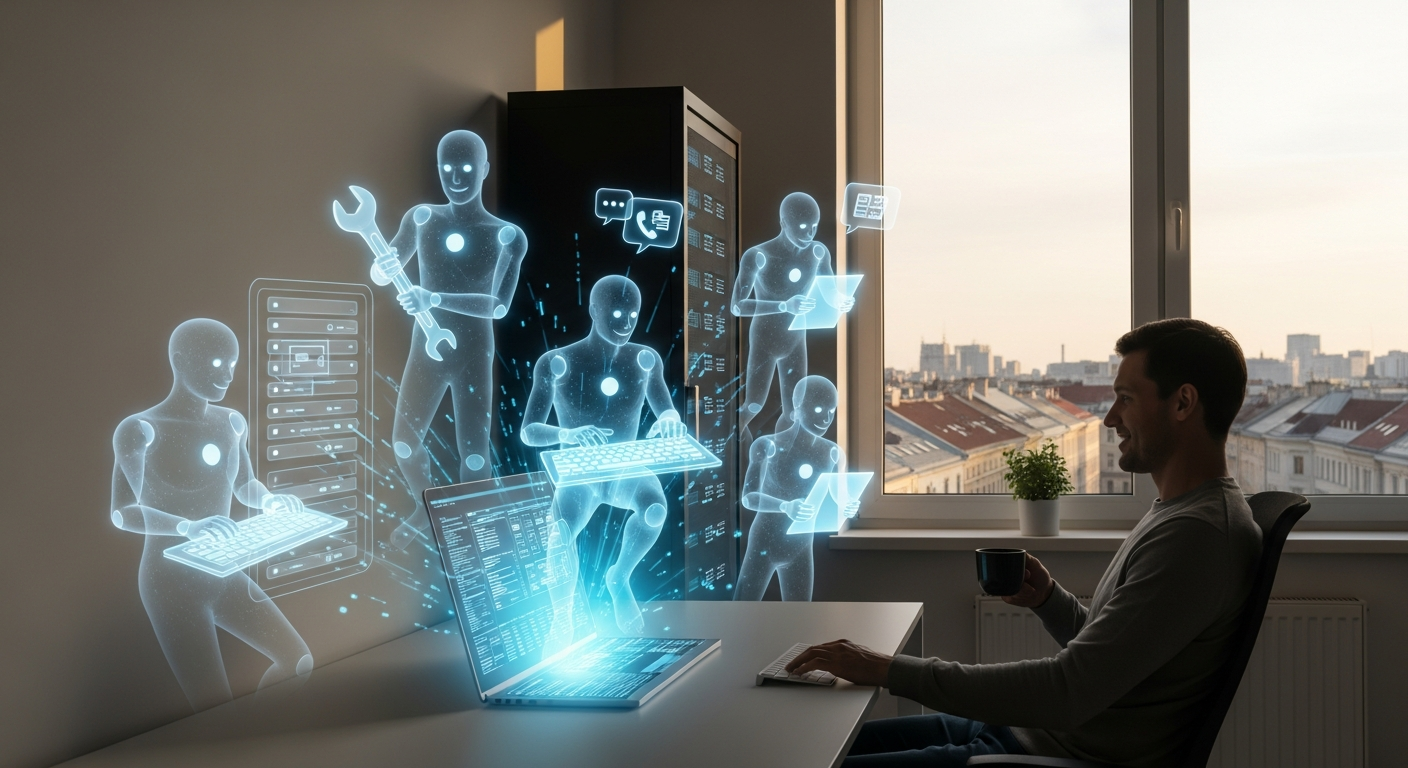
"In this era where AI is reshaping the world," Steinberger wrote, "those who dare to create and actively embrace the future will never be left behind."
He would know. He almost was.
Research compiled from 14 sources including Wikipedia, The Pragmatic Engineer, TechCrunch, PANewsLab, Leonis Newsletter, and Peter Steinberger's personal blog.
Written by
Global Builders Club
Global Builders Club
If you found this content valuable, consider donating with crypto.
Suggested Donation: $5-15
Donation Wallet:
0xEc8d88...6EBdF8Accepts:
Supported Chains:
Your support helps Global Builders Club continue creating valuable content and events for the community.