The End of Ephemeral Sandboxes: How Fly.io Solved AI Agent Hosting
The infrastructure shift that will change how you run Claude Code and OpenCode - from ephemeral containers to persistent VMs with checkpoint/restore.
The End of Ephemeral Sandboxes: How Fly.io Solved AI Agent Hosting
The infrastructure shift that will change how you run Claude Code and OpenCode
Running an AI coding agent on your laptop is like giving a stranger the keys to your house and hoping they don't rearrange the furniture. Claude Code with --dangerously-skip-permissions can execute any command, modify any file, and install whatever it wants. It's powerful. It's also terrifying.
For the past year, the industry consensus was clear: run AI agents in ephemeral containers. Spin up a Docker container, let Claude do its thing, then burn it down. Clean. Isolated. Safe.
But there's a problem nobody talks about: ephemeral containers are terrible for AI agents.

The Rebuild Tax
Every time you invoke Claude in a fresh container, it starts from zero. No installed packages. No cached dependencies. No memory of the project it spent three hours understanding yesterday.
I watched Claude reinstall the same npm packages twelve times in one afternoon. Each invocation cost 2-3 minutes of setup before it could do actual work. That's not just wasteful—it's actively hostile to how AI agents operate.
Agents work iteratively. They build mental models of your codebase. They accumulate context. Forcing a clean slate on every invocation is like giving someone amnesia between every sentence of a conversation.
Fly.io's Answer: Computers, Not Sandboxes
Earlier this month, Fly.io launched Sprites—and in doing so, articulated what we've been dancing around: AI agents don't want sandboxes. They want computers.
Sprites are persistent Linux VMs built on Firecracker microVMs. They boot in 1-2 seconds, persist your installed packages and configurations between sessions, and—here's the magic—automatically idle when inactive to stop billing.
"Ephemeral sandboxes are obsolete. Stop killing your sandboxes every time you use them." — Kurt Mackey, Fly.io CEO
The numbers tell the story:
| Metric | Value |
|---|---|
| Boot time | 1-2 seconds (first), <1 second (warm) |
| Checkpoint creation | ~300ms |
| Checkpoint restore | <1 second |
| Storage | 100GB persistent |
| 4-hour session cost | ~$0.44 |
But the headline feature isn't speed or price—it's the checkpoint/restore capability.
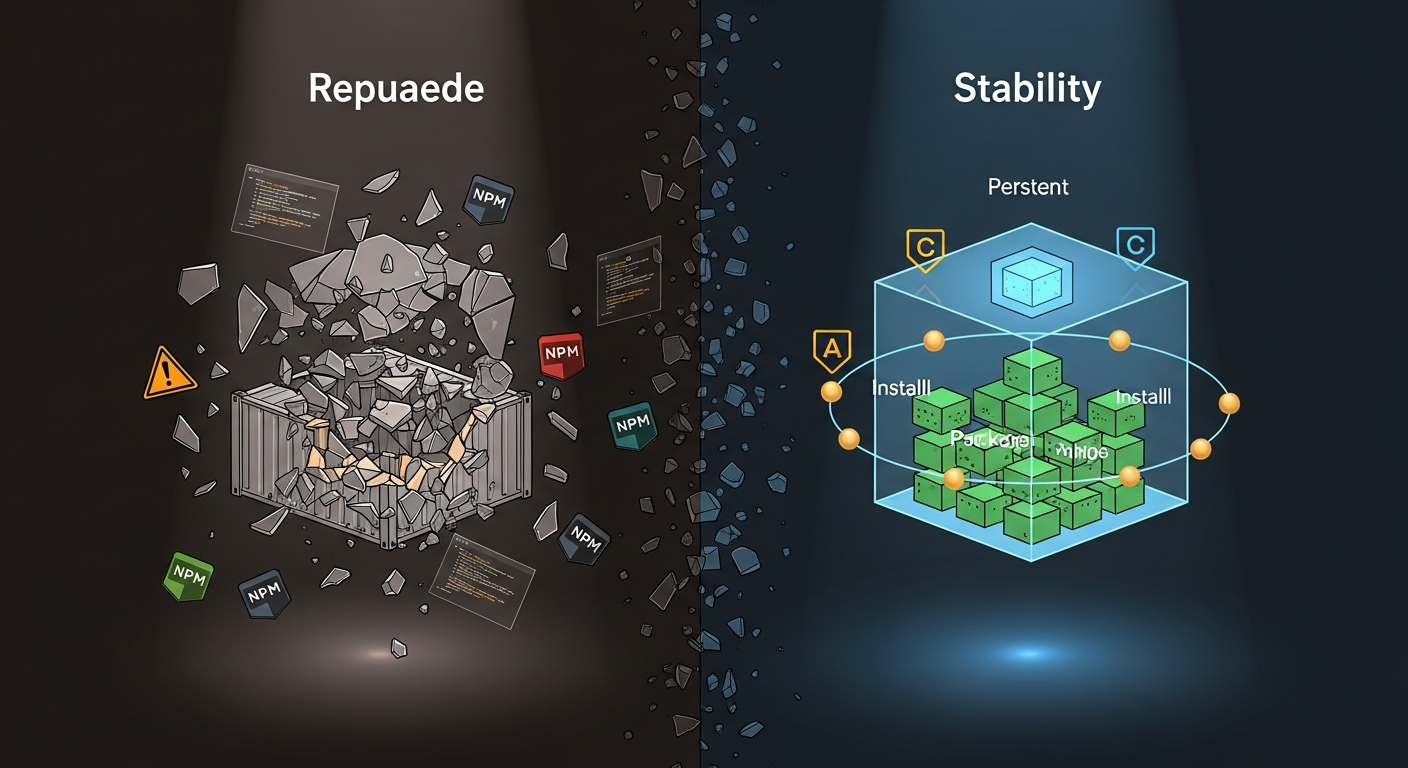
Checkpoint as Version Control
Imagine you're about to let Claude refactor your authentication system. It's a big change. Risky.
In the old world, you'd either pray or spend time setting up a reproducible environment. With Sprites:
sprite checkpoint create my-agent --name before-auth-refactor
# Let Claude do its thing
# Something goes wrong
sprite checkpoint restore my-agent --name before-auth-refactor
Entire environment state—files, installed packages, running processes—captured in 300ms and restored in under a second.
It's git for your development environment.
The Security Foundation: Firecracker
All of this would be meaningless without real isolation. Sprites run on Firecracker, the same microVM technology behind AWS Lambda.
Each Sprite gets:
- Dedicated CPU cores (no contention)
- Isolated memory space
- Separate kernel
- Its own network namespace
This is hardware-level isolation, not the shared-kernel model of Docker containers. If AI-generated code tries to escape, it hits a hardware boundary, not a software abstraction.
Given that AI-generated code was introducing 10,000+ new security vulnerabilities per month at large organizations by mid-2025, this isn't paranoia—it's table stakes.
Running Claude Code in the Cloud
Let's get practical. Here's how to run Claude Code on Sprites:
# Install Sprites CLI
curl https://sprites.dev/install.sh | bash

# Login
sprite login

# Create your Sprite
sprite create my-agent

# Claude comes pre-installed
sprite exec -s my-agent "claude -p 'What is this codebase?'"
That's it. Claude Code is pre-installed with --dangerously-skip-permissions enabled by default—because the environment is designed to handle it.
For more control, use Claude's headless mode flags:
sprite exec -s my-agent "claude -p 'Run tests and fix failures' \
  --allowedTools 'Bash,Read,Edit' \
  --output-format json"
Multi-Step Workflows
Claude Code supports session continuity:
# Start a task
sprite exec -s my-agent "claude -p 'Analyze the auth module'"

# Continue the conversation
sprite exec -s my-agent "claude -p 'Now refactor for better security' --continue"

# Keep building
sprite exec -s my-agent "claude -p 'Add comprehensive tests' --continue"
Context persists across invocations. Claude remembers what it learned.
The Alternative: OpenCode Self-Hosted
Not everyone wants cloud execution. OpenCode offers a self-hosted alternative with multi-provider support (OpenAI, Anthropic, Gemini, Bedrock, Groq, and local models).
For Docker-based deployment:
FROM ghcr.io/anomalyco/opencode:latest

# Add your dependencies
RUN apt-get update && apt-get install -y nodejs npm python3

# Configure provider
ENV ANTHROPIC_API_KEY=${ANTHROPIC_API_KEY}
The trade-off is clear: Sprites give you zero-maintenance persistent VMs with enterprise isolation. Self-hosted OpenCode gives you full control and local model support at the cost of infrastructure management.
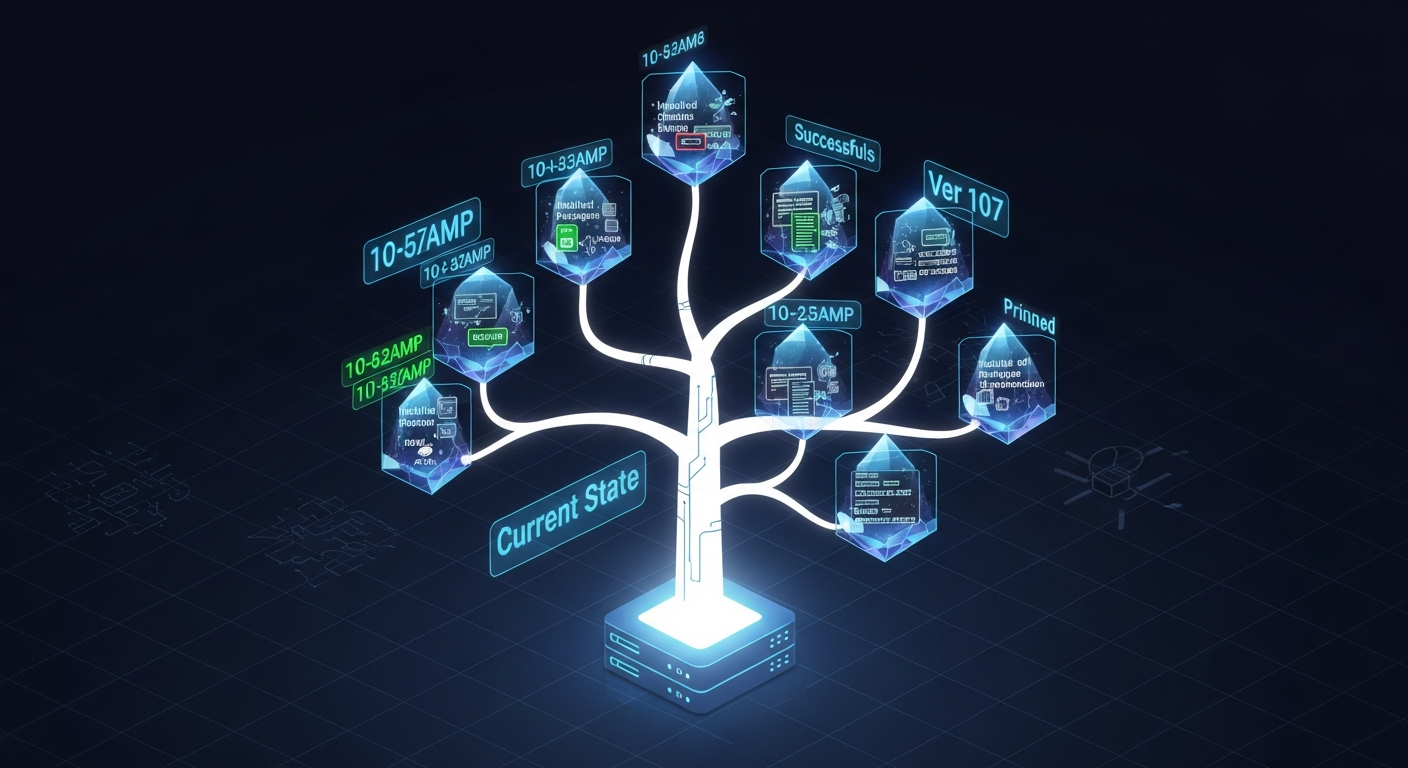
Architecture for Teams
For teams building on this infrastructure, Fly.io provides the building blocks:
- Pre-warmed Machine Pools: Create machines before you need them for instant assignment
- Subdomain Routing: Route
user1.yourapp.comto User 1's machine automatically - Persistent Volumes: Attach durable storage per user
- External Backup: Sync to S3/Tigris for disaster recovery
The pattern:
Router App (*.yourapp.com)
    ↓ fly-replay header
Machine Pool
├── Machine 1 (alice's env)
├── Machine 2 (bob's env)
└── Machine N (pending assignment)
The Economics Make Sense Now
Here's the math that matters:
| Usage Pattern | Always-On VM | Auto-Idle Sprites |
|---|---|---|
| 4 hours/day active | $67/month | $8.40/month |
| 8 hours/day active | $67/month | $16.80/month |
| 20 hours/day active | $67/month | $42/month |
AI agents are bursty. You interact intensively for a few hours, then context switch to something else. Paying for 24/7 compute when you need 4 hours is wasteful. Auto-idle billing aligns cost with actual usage.
What This Means for You
If you're running AI coding agents today, here's the action plan:
Individual developers: Stop running agents locally. Use Sprites. It's $15/month for moderate usage and infinitely safer than your laptop.
Teams building AI products: Architect on Fly Machines with pre-warmed pools. The Machines API gives you the primitives; the autostop/autostart gives you the economics.
Enterprises: The combination of hardware isolation, checkpoint audit trails, and multi-region deployment addresses most compliance requirements out of the box.
The Prediction
Within 12 months, every major AI agent platform will offer persistent VMs. The ephemeral container model made sense for stateless functions—it fails for iterative, stateful agent workloads.
Fly.io saw this first. They built for it. And with Sprites, they've given us the blueprint for what AI agent infrastructure should look like.
The age of ephemeral sandboxes is ending. The age of persistent AI workspaces has begun.
Start with Sprites at sprites.dev or read the Fly.io AI documentation. For Claude Code headless mode, see the Agent SDK docs.
Written by
Global Builders Club
Global Builders Club
If you found this content valuable, consider donating with crypto.
Suggested Donation: $5-15
Donation Wallet:
0xEc8d88...6EBdF8Accepts:
Supported Chains:
Your support helps Global Builders Club continue creating valuable content and events for the community.