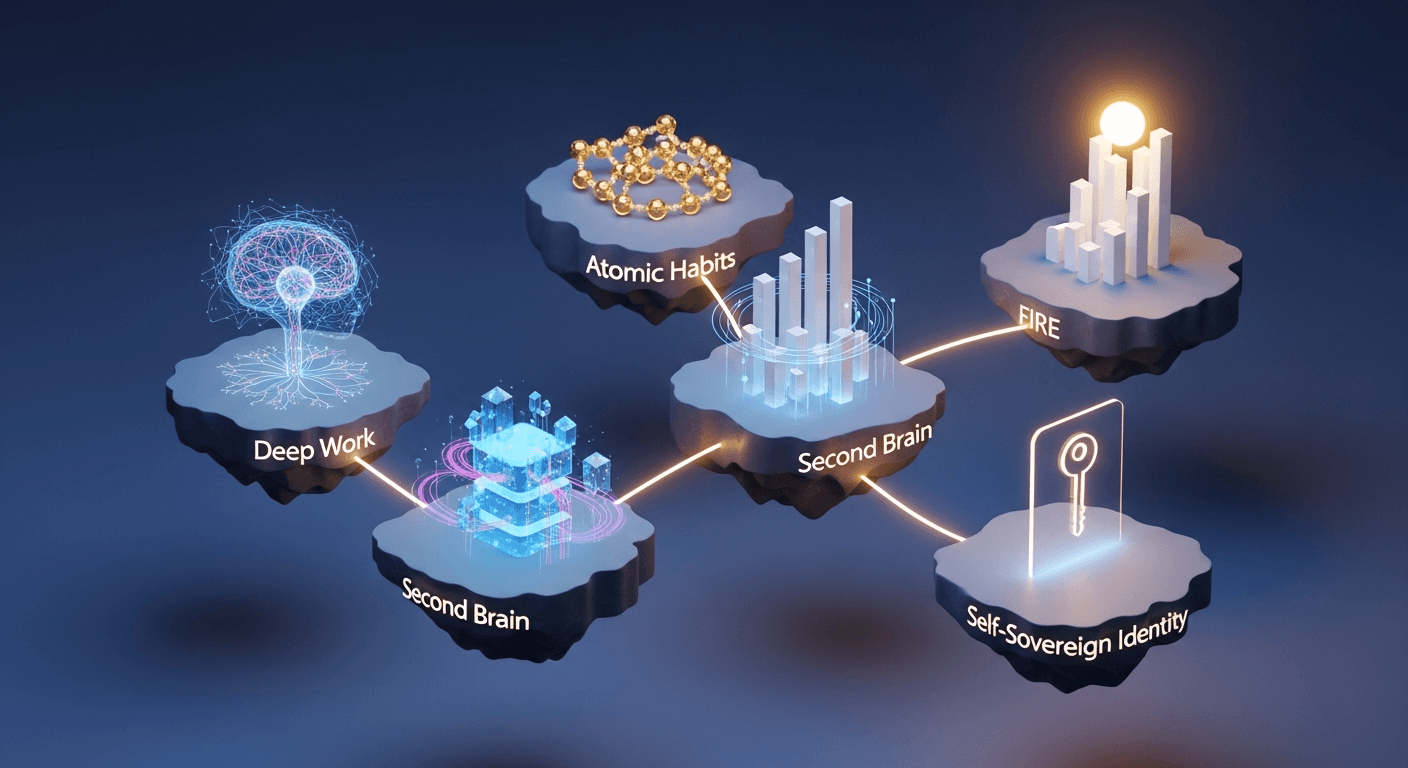
The Developer's Path to Titan: Ship Publicly, Teach Your Past Self, Compound Forever
The playbook used by Fireship, Pieter Levels, and the developers who became tech titans—and how to apply it yourself.
The Developer's Path to Titan: Ship Publicly, Teach Your Past Self, Compound Forever
The playbook used by Fireship, Pieter Levels, and the developers who became tech titans—and how to apply it yourself.
I spent a week studying how developers become titans.
Not the founders who raised hundreds of millions. The ones who built empires with a laptop and a willingness to be visible: Pieter Levels ($3M/year solo). Fireship (20 million monthly views). swyx (bootcamp to Amazon L6 in 2.5 years).
I analyzed Paul Graham's essays, Naval Ravikant's frameworks, DHH's shipping philosophy, and the strategies of the most successful developer-creators of 2026.
A pattern emerged. And it's more accessible than you think.

The 80% Invisibility Problem
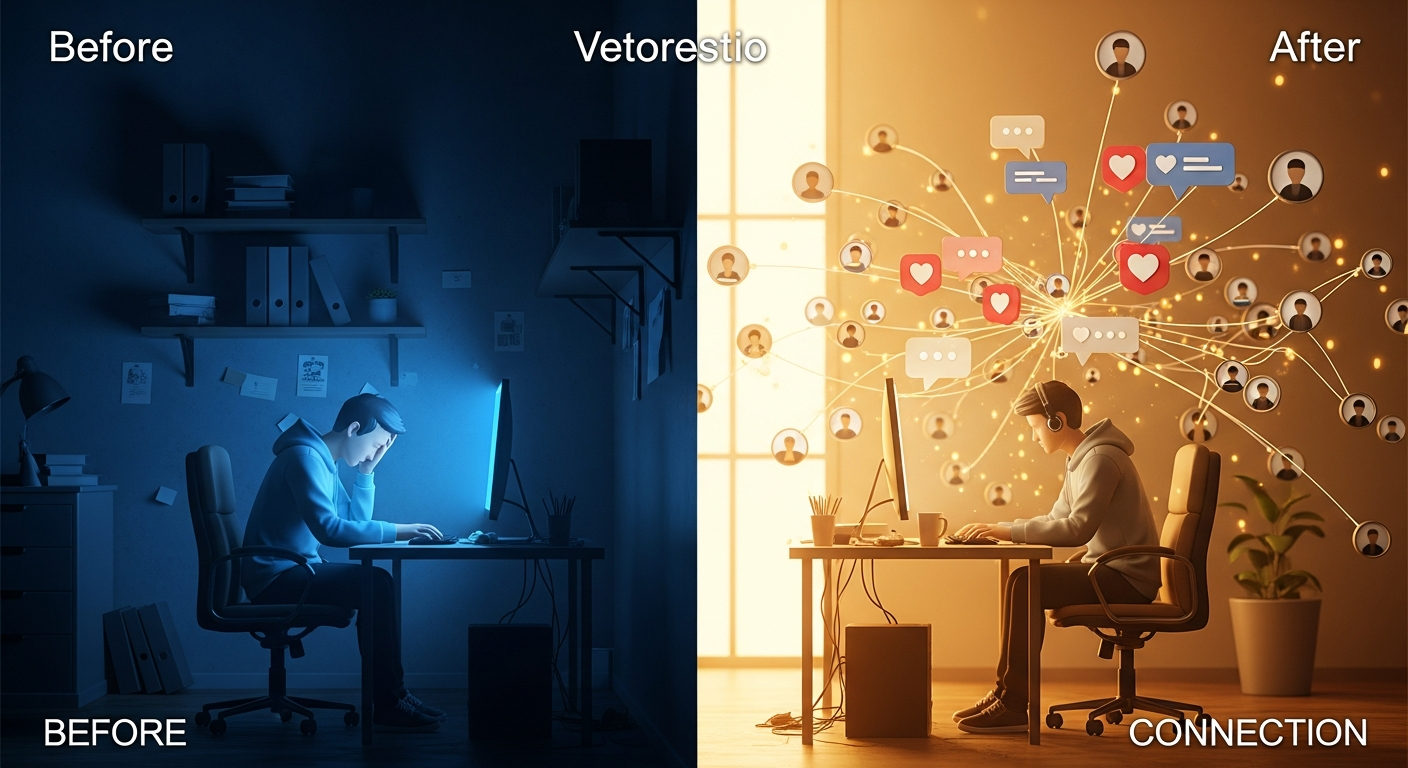
Here's the insight that changed my perspective: 80% of developers never write, speak, or participate publicly.
They consume tutorials. They solve hard problems. They build impressive things. In silence.
This isn't a critique—it's an observation of opportunity. Simply being visible puts you in the top 20% by default. The bar for standing out isn't expertise. It's participation.
swyx, who went from coding bootcamp to Amazon senior engineer in 2.5 years, attributes his trajectory to one principle: Learn in Public.
The "Learn in Public" Revolution
The idea is deceptively simple: instead of learning privately, document your journey publicly.
Don't wait until you're an expert. The most valuable content is what you wish existed when you were learning. This removes the expertise barrier entirely. You're not performing knowledge—you're teaching your past self.
swyx's advice: "Don't judge your results by claps or retweets—just talk to yourself from 3 months ago."
This solves impostor syndrome because you're not claiming to be an expert. You're documenting being a student. And students teaching students is often more effective than experts teaching novices—you remember exactly what was confusing.
The flywheel it creates is powerful:
Learn → Document → Publish → Get Feedback → Learn More → Document More
Teaching accelerates learning. Audience provides better feedback. Better feedback accelerates learning. Each cycle compounds.
The Permissionless Leverage Advantage
Naval Ravikant distinguishes three types of leverage:
- Labor—using other people's time (requires hiring)
- Capital—using other people's money (requires fundraising)
- Code and Media—requires only your effort
The first two are "permissioned"—someone has to give them to you. But code and media? They're permissionless. You don't need anyone's approval to start. You can begin tonight.
"Code and media are the leverage behind the newly rich," Naval writes.
This is why Pieter Levels could build a $3M/year business with no employees, no meetings, no investors. His products (code) and his transparency (media) compound without permission from anyone.
For developers, this is profound. You already have access to the most powerful wealth-building tools in history. The constraint isn't capability—it's willingness to be visible.
The Ship-Over-Perfect System
Every source I studied emphasized shipping over perfecting. Paul Graham: "I've seen startups die from slowness, none from speed." Pieter Levels' forcing function was "12 startups in 12 months"—public commitment that made NOT shipping harder than shipping.
But here's what the successful ones understand: willpower isn't enough. You need systems.
Basecamp's Shape Up methodology: Six-week cycles with fixed time, variable scope. "Don't do estimates, do budgets"—not how long something will take, but what it's worth.
Fireship's dual strategy: Trending content (The Code Report) drives discovery spikes. Evergreen content (100 Seconds series) compounds steadily. One creates growth; the other creates stability.
The weekly cadence: For developers with day jobs, one piece of content per week is realistic. Two requires significant lifestyle changes. Research shows exceeding sustainable frequency by 50%+ leads to 3.5x higher burnout rates.
The game is infinite. You only compound if you're still playing.

Distribution: The Undervalued Skill
Here's the uncomfortable truth for technical founders: the code is often the easiest part.
The real challenges are understanding your market, finding customers, and building distribution. Developers undervalue distribution because it feels less "real" than building.
But consider: a developer with 100,000 followers and a mediocre product will outperform a developer with 100 followers and an excellent product. Distribution is leverage; building is execution.
The successful developer-creators build both simultaneously:
- Product skills create value
- Distribution skills capture value
Naval's synthesis: "Learn to sell. Learn to build. If you can do both, you will be unstoppable."
The Fireship Blueprint
Jeff Delaney's path to 20 million monthly views offers a concrete template:
- Start niche: Angular + Firebase tutorials established credibility with a specific audience
- Broaden carefully: Firebase basics → general programming → tech commentary—each step adjacent to the last
- Add personality: Niche programming jokes, self-deprecating humor, meme-heavy editing
- Dual content strategy: Trending (Code Report) + Evergreen (100 Seconds)
The personality element is crucial. Fireship's humor—jokes about JavaScript frameworks, calling himself "a personality of a carrot"—creates peer-to-peer connection rather than creator-audience hierarchy. You feel like you're learning from a friend.
The Productize Yourself Framework
Naval's framework applied to developer content:
- Find specific knowledge—the unique intersection of your skills, curiosity, and experience that can't be easily trained or replicated
- Build accountability—publish under your name, create public commitments
- Apply leverage—code (products) + media (content)
- Iterate—continuously redefine until you're "the best in the world at being you"
"No one can compete with you on being you."
In an age of AI coding assistants, generic technical skills are commoditizing. The remaining moats are:
- Unique combinations (developer + storytelling + domain expertise)
- Audience relationships (trust built over years)
- Specific knowledge (expertise that can't be trained)
The Path Forward
The successful developer-creators share a common trajectory:
Year 1: Document learning publicly, establish consistent cadence, find your voice Year 2-3: Build audience, experiment with formats, launch first products Year 4-5: Multiple revenue streams, compounding authority, leverage opportunities
It's not fast. But it compounds.
The practical starting point:
- Pick a sustainable cadence (weekly is realistic with a job)
- Document what you're learning (teach your past self)
- Choose 1-2 platforms (Twitter + YouTube, or Twitter + blog)
- Build in public (share process, not just results)
- Ship before it's ready (the feedback is more valuable than the polish)
The Choice
80% of developers will continue consuming privately. They'll learn in the shadows, build in silence, and wonder why opportunities seem to find others.
The 20% who learn in public—who document their journey, teach their past selves, and build distribution alongside building skills—will capture disproportionate rewards.
This isn't about talent. It's about visibility. It's about leverage. It's about sustainable shipping over years.
The path is clear. The tools are free. The audience is waiting.
The only question is whether you'll walk it.
What are you learning right now that your past self needed to understand? Start there.
Written by
Global Builders Club
Global Builders Club
If you found this content valuable, consider donating with crypto.
Suggested Donation: $5-15
Donation Wallet:
0xEc8d88...6EBdF8Accepts:
Supported Chains:
Your support helps Global Builders Club continue creating valuable content and events for the community.